Marsalforn · Sannat
Yellow Rock Yoga Gozo
A Gozo yoga business run by Monique van Bemmelen and Norbert Koch, who moved from the Netherlands, with most group classes held outdoors around Qbajjar.
From €12 a class
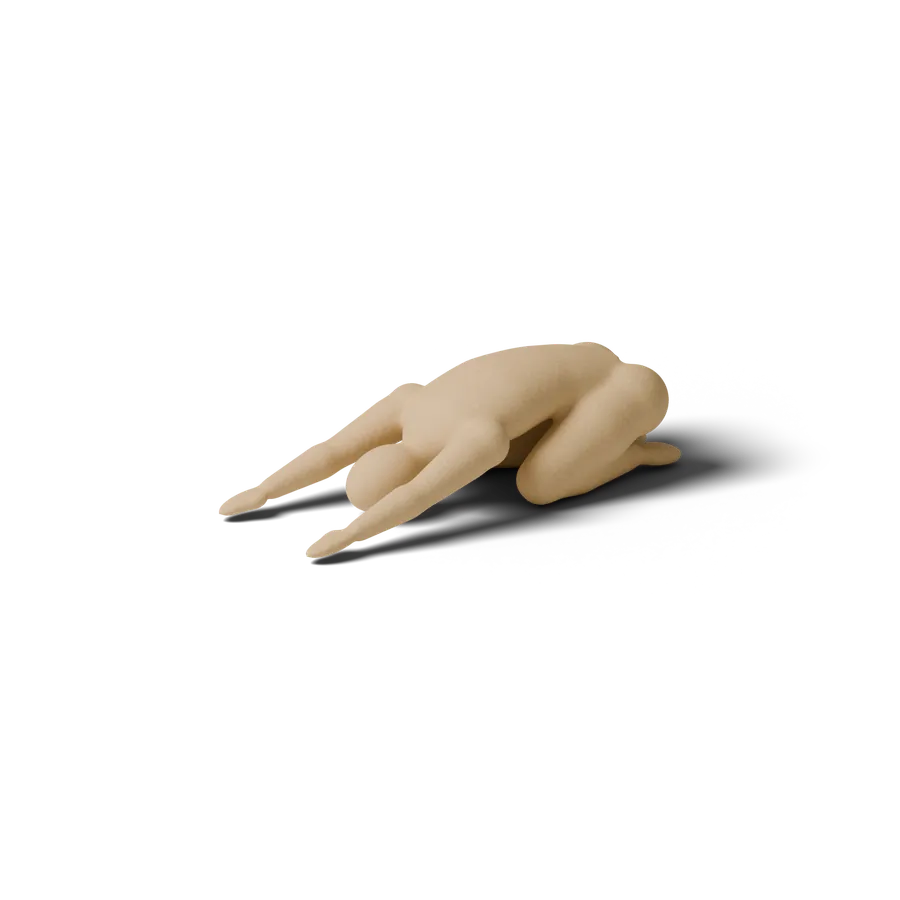
Yin yoga is a slow, floor-based practice where you hold relaxed poses for several minutes at a time. In Malta you'll find it at Zen Yoga Studio in Mellieħa, Hale in Mġarr and LivingWell in St Julian's, and with Yellow Rock Yoga in Gozo.
Updated 2 November 2026
Marsalforn · Sannat
A Gozo yoga business run by Monique van Bemmelen and Norbert Koch, who moved from the Netherlands, with most group classes held outdoors around Qbajjar.
From €12 a class
Gżira · Sliema · Msida · Għajn Tuffieħa
An outdoor-led yoga provider based on Manoel Island in Gżira, teaching at seaside locations as well as on sailing and paddleboard sessions.
From €17 a class
Mellieħa
A studio in Mellieħa offering aerial yoga on hammocks alongside vinyasa, hatha, yin and a gentle class for over-50s.
From €12 a class
Mġarr
A multidisciplinary therapy and wellbeing centre in Mġarr, founded by sisters Lara Maria Vella, an educational psychologist, and Sarah Vella, a dance/movement therapist.
Price not published
St Julian's
A health club at the Hilton Malta in Portomaso, St Julian's, with a members' class timetable.
See packs and prices
Gozo
A retreat in a farmhouse on Gozo described as nearly 500 years old, run by host Dagmara for groups of up to six.
Price not published
Yin is a good match for a busy Maltese week, as the antidote to traffic, deadlines and strong gym sessions. For a regular studio class, look at Zen Yoga Studio in Mellieħa or Hale in Mġarr. If you’re near St Julian’s and have access to the Hilton’s gym, LivingWell runs candlelit yin. For something outdoors or more immersive, Yoga Malta and Gozo’s Yellow Rock Yoga both teach it, and Yellow Rock also trains teachers in it.
Most of the class is spent on the floor, sitting or lying down. The teacher guides you into a pose, such as a folded butterfly or a wide-legged forward bend, and you stay there, muscles as soft as you can make them, for three to five minutes. Then you come out slowly, rest for a moment, and move to the next one. A 60-minute class might include only six to eight poses.
Three simple rules run through most yin teaching. Go to the point where you feel something without pushing further. Stay as still as you can. Then give it time. Props are used freely, with bolsters and blocks under hips or knees so you can stay in a pose comfortably.
It looks like doing nothing. It doesn’t feel like that. Somewhere around minute three, your mind starts listing everything you should be doing, and your hip starts making its case. Learning to stay calm through that is much of the practice. You’ll leave feeling loose, slightly sleepy and oddly clear-headed. Sensation is fine, but sharp, burning or tingling pain means you should ease off.
Yin is a modern style with older roots. Paulie Zink, an American martial artist, taught a Taoist-influenced yoga that included long floor holds. Paul Grilley studied with him and developed this into the sequence taught today, drawing on his anatomy studies and on Dr Hiroshi Motoyama’s work on meridians. Sarah Powers, a student of Grilley’s, helped spread it and is widely credited with giving it the name “yin yoga”.
The name comes from the Chinese idea of yin and yang. Yang practices are active and heating, and yin practices are still and cooling. Yin teachers often talk about fascia and the connective tissue around joints, and about energy channels. The ideas are appealing, but the research on them is limited, so treat bold claims with some caution.
It’s a good match for runners, footballers, gym-goers and anyone who already does plenty of strong exercise. It also suits stressed desk workers, people looking for a quiet evening class, and beginners, since there’s nothing to keep up with. Regular practice may help with flexibility and stress.
Fast-minded people often struggle most at first, and they may be the ones who get the most from it. If you truly want to sweat, though, it won’t do that for you.
It needs more care in some situations:
People mix up yin and restorative all the time, because both are slow and use props. The difference is intention. Yin applies a mild stretch and asks you to stay with it. Restorative removes all effort, so you lie supported and rest. Hatha holds poses for much less time, keeps the muscles working and includes standing poses. A yin session pairs well with stronger styles such as vinyasa. Some teachers blend them into “yin yang” classes, with active movement first and long holds after.
Zen Yoga Studio in Mellieħa has yin on the same timetable as vinyasa, hatha and aerial, with mats provided, and is the clearest regular option in north Malta. Hale in Mġarr teaches yin in group and one-to-one sessions, within a practice that also offers therapy and breathwork. That setting may appeal if you see yoga as part of your general wellbeing. See central Malta for more nearby.
Yoga Malta teaches yin yang classes as part of an outdoor-led schedule around Manoel Island and Sliema. It’s a separate business from this website. Outdoor yin is lovely in the right weather, but you bring your own mat or towel, so think about what you’ll have between you and the ground. It also runs a 40-hour yin teacher training in Msida, listed on what’s on.
LivingWell at the Hilton has candlelit yin on its members’ timetable. Temporary memberships are available, though the page doesn’t say whether they include classes, so ask before signing up.
Yellow Rock Yoga is the strongest name for yin in Gozo. It teaches mainly outdoors around Qbajjar, with indoor classes in Sannat, and its one-day retreat can include a yin session. Monique van Bemmelen and Norbert Koch also lead a 50-hour Yin teacher training several times a year. Venus Home includes vinyasa and yin in small retreats for up to six people. Retreat dates appear on what’s on.
A few other providers mention yin, but their current details are unconfirmed. Sprachcaffe’s retreat week in St Julian’s shows no dates, Flex+ at Mediatrix doesn’t say which branch hosts its classes, and neither Yoga Tribe Malta nor Satori Gozo Centre shows recent activity. Contact them directly before making plans.
Yin is one of the most comfortable styles for high summer. You won’t overheat lying on a mat, so an evening class is pleasant even in a sticky August. Outdoors, a sea breeze can be just right, though mosquitoes may find you if you’re lying still at dusk near greenery. Pack repellent, and a light layer for when the sun drops.
In winter it’s the opposite problem. You stop moving, and your body cools quickly. Malta’s tiled floors and old stone rooms can be properly cold from December to February, so wear socks and a warm top, and don’t be shy about using a blanket. Sitting for long stretches on rock or concrete can also be uncomfortable at any time of year, so bring padding.
One more local tip: parking and traffic have a way of undoing your calm on the drive home, so if you can walk or take the bus, it’s worth doing.
Wear soft, warm clothes in layers, and bring a mat and water. Check what props are available, because this varies by provider. Arrive with time to settle, since a late start disturbs a quiet room. If a pose hurts, tell the teacher, and take a block or a bolster without hesitation. For a fuller kit list, see what to bring to your first yoga lesson. Costs vary, so check the prices page or your chosen provider’s listing.
Restorative yoga is deep rest with help: props support your body in a few simple poses, so you can stay for minutes at a time without effort. In Malta, Feel at Harmony in Msida is the clearest option, and Freemyme in Sliema also lists it.
Hatha is yoga at a steadier pace: you hold each pose for several breaths and have time to learn it properly. In Malta you'll find it at studios in Msida, Sliema, Naxxar and Mellieħa, and with Yellow Rock Yoga in Gozo.
Choose by how you want to feel afterwards: hatha for a steady introduction, vinyasa for movement, yin or restorative for calm, and hot, power or ashtanga for a hard workout. Most people need two or three trial classes to know.