Msida
Feel at Harmony
A small-group yoga and Pilates studio in Msida run by founder Silvana, who has over a decade of teaching experience.
From €10 a class
Restorative yoga is deep rest with help: props support your body in a few simple poses, so you can stay for minutes at a time without effort. In Malta, Feel at Harmony in Msida is the clearest option, and Freemyme in Sliema also lists it.
Updated 2 November 2026
Msida
A small-group yoga and Pilates studio in Msida run by founder Silvana, who has over a decade of teaching experience.
From €10 a class
Sliema
A fitness studio in Sliema that splits its timetable into FIT classes, such as HIIT and strength work, and FLOW classes, which include yoga and Pilates.
From €22 a class
Gżira · Sliema · Msida · Għajn Tuffieħa
An outdoor-led yoga provider based on Manoel Island in Gżira, teaching at seaside locations as well as on sailing and paddleboard sessions.
From €17 a class
San Lawrenz
An Ayurveda and yoga retreat in a converted farmhouse in San Lawrenz, Gozo, hosted by Kristin and Christian, with six guest rooms.
Price not published
Restorative yoga is one of the rarer styles in Malta, so a little planning helps. Your best regular bet is Feel at Harmony in Msida, a small-group studio with restorative yoga and yoga nidra on its timetable. Freemyme in Sliema and Yoga Malta also list it, and in Gozo, the Ayurveda retreat Shesha Veda includes it in a longer stay.
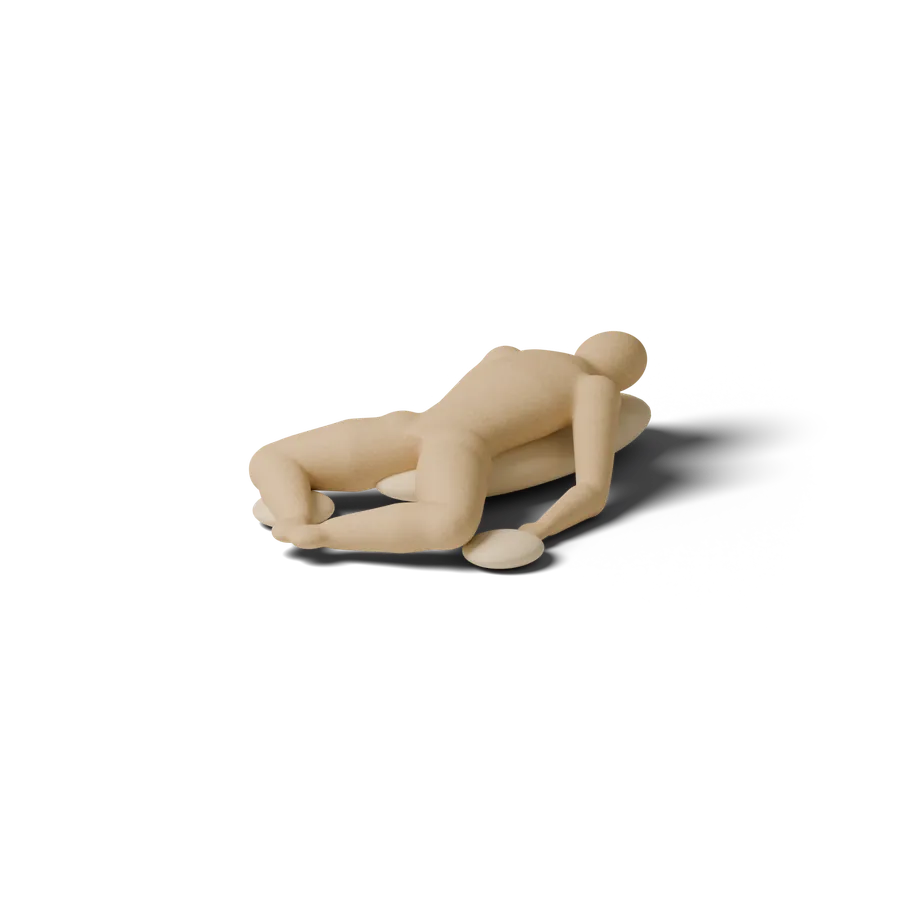
Very little, and that’s what makes it work. A class might include only four to six poses across an hour, each held for around five to ten minutes, sometimes longer. Before each one, the teacher helps you build a small nest of bolsters, folded blankets and blocks so that your body is fully held up. You might lie over a bolster with your legs out in a diamond shape, rest your front over a stack of cushions, or lie with your legs up the wall.
Once you’re settled, the lights usually dim and the room goes quiet. You breathe. The teacher might talk you through relaxing the body or lead a short guided meditation. Many people drift close to sleep, and quite a few do fall asleep. There’s no sweating, no balancing and no pushing yourself.
The aim is simple. Supported stillness and slow breathing may encourage the body’s “rest and digest” response, and that can leave you feeling calmer afterwards. It’s easy to underrate this until you try it.
The roots go back to B.K.S. Iyengar, who developed the use of props in India so that people who were ill, injured or frail could still benefit from poses. His American student Judith Lasater took those supported poses and shaped them into the practice most people know today. Her book Relax and Renew helped bring the style to a wider audience.
It suits almost anyone who’s tired. That includes people dealing with burnout, poor sleep or a difficult stretch at work, anyone winding down from heavy training, and beginners who feel put off by fast classes. It may also be a kind way back after illness or injury, and many older people find it comfortable. It’s a good fit for carers and parents too, who may get few other chances to lie down undisturbed.
Regular practice may help with stress, mood and sleep, and it may ease some tension-related aches. It’s a complement to medical treatment, not a substitute, so keep seeing your doctor about chronic pain or persistent anxiety.
Some situations need a little extra thought:
Yin looks similar from the doorway, but it’s a stretch. You stay at a point of mild discomfort. In restorative you’re looking for no effort at all. Hatha is much more active, with standing poses and working muscles, though a gentle hatha class may finish with a restorative pose or two. Yoga nidra is a guided meditation done lying down, and it doesn’t involve any poses. Feel at Harmony offers both, which is a useful combination if you like the sound of either.
Feel at Harmony is the most straightforward choice. It’s a small-group studio run by founder Silvana, in a renovated historic house with old stone walls, and its timetable covers hatha, restorative, yoga nidra and Pilates. Every class is also streamed live on Zoom, which sounds odd for a practice about rest until you consider that restorative yoga works very well at home, in your own bed-sized corner, with no drive back. You can book by online link, phone or WhatsApp. See the Gżira and Msida page for the wider area.
Freemyme lists restorative among its yoga styles in Sliema. Since it shares a timetable with more energetic classes, check when it’s scheduled and how the room is set up. Yoga Malta, which is separate from this website, also lists restorative yoga. Its classes are mostly outdoors and students bring their own mat or towel, so ask what props to expect, because restorative depends on them.
Shesha Veda is an Ayurveda and yoga retreat in a converted farmhouse in San Lawrenz, with six guest rooms. It’s a residential stay with daily treatments and morning yoga rather than a drop-in class, and yoga is optional. See the yoga holiday guide if that sort of break appeals, or the Gozo page for other options.
Do Yoga With Lina in Xlendi also lists restorative yoga, but she publishes no timetable and her current availability is unconfirmed.
Coverage elsewhere in Malta is limited, and nothing in the south, the north or Valletta currently lists it as a named class. Your best alternatives are a gentle hatha class, a yin class, or a private session with a teacher who can set up props for you. The guide to classes or private lessons can help you decide. Feel at Harmony’s Zoom stream is another way in, wherever you live on the islands.
Comfort is the whole point, so temperature matters. In winter, Malta’s stone rooms and tiled floors can feel far colder than the forecast suggests, and your body cools quickly when you stop moving. Wear thick socks and a warm layer, and if you’re at home, put a rug under your mat. In summer, humidity makes lying on a bolster less appealing. A fan on low, or a thin cotton sheet over the prop, makes a real difference.
Noise is the other local factor. Construction, traffic and neighbours are part of daily life in much of Malta, and a dim room doesn’t block them out. Soft earplugs or quiet background sound can help at home.
Getting to class is its own stress, too. Sitting in traffic through Msida after a long day works against what you’re there for, so allow plenty of time or take the bus. You really don’t want to arrive frazzled and five minutes late.
You don’t need special equipment. Use firm bed pillows or sofa cushions in place of a bolster, folded towels and blankets in place of blocks, and a clean sock filled with rice as an eye pillow. Here are two easy starting points:
Set a timer for ten minutes so you don’t need to check the clock.
Wear soft, warm clothes without tight waistbands, and bring socks and a jumper. Check whether props are provided, as they matter here more than in other styles, and let the teacher know about anything that’s bothering you. Arrive early, as walking into a quiet room late is awkward for everyone. The list of things to bring to your first yoga lesson covers the basics, and the prices page shows what classes cost.
Yin yoga is a slow, floor-based practice where you hold relaxed poses for several minutes at a time. In Malta you'll find it at Zen Yoga Studio in Mellieħa, Hale in Mġarr and LivingWell in St Julian's, and with Yellow Rock Yoga in Gozo.
Hatha is yoga at a steadier pace: you hold each pose for several breaths and have time to learn it properly. In Malta you'll find it at studios in Msida, Sliema, Naxxar and Mellieħa, and with Yellow Rock Yoga in Gozo.
Start with a slower hatha or gentle flow class near home or work, once or twice a week for a month. In Malta a single class usually costs about €10 to €25, and many studios welcome complete beginners.