You need about ten poses to feel at home in most beginners’ classes, and these are the ones to learn first. Work through them in the order below and you have a gentle practice of about 15 minutes. Take each one slowly, keep breathing, and treat any sharp pain as a signal to come out.
How should you practise at home in Malta?
Where you practise makes more difference than you might expect, so sort this out first.
- Mind the floor. Many Maltese homes have stone or tiled floors, which are hard on knees and can let a thin mat slide. Put your mat on a rug if you can, and keep a folded towel handy for your knees. Our yoga mat guide covers thickness and grip.
- Choose your hour. From June to September, the coolest part of the day is early morning. Humid air makes hands sweat, so wipe your palms and mat between poses, because a sliding hand is how wrists get hurt.
- Think before using the roof. A bejt, the flat roof on many Maltese homes, can be a lovely place to practise at sunrise, but keep well away from the edge, especially in balances. Move inside once the sun climbs.
- Keep balances off soft sand and rock. Sand makes tree pose much harder, and shoreline rock is sharp and uneven. For a calmer patch of open ground, see our outdoor yoga guide.
What are the 10 yoga poses to learn first?
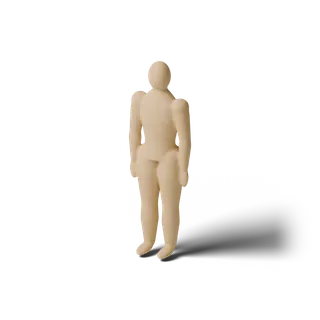
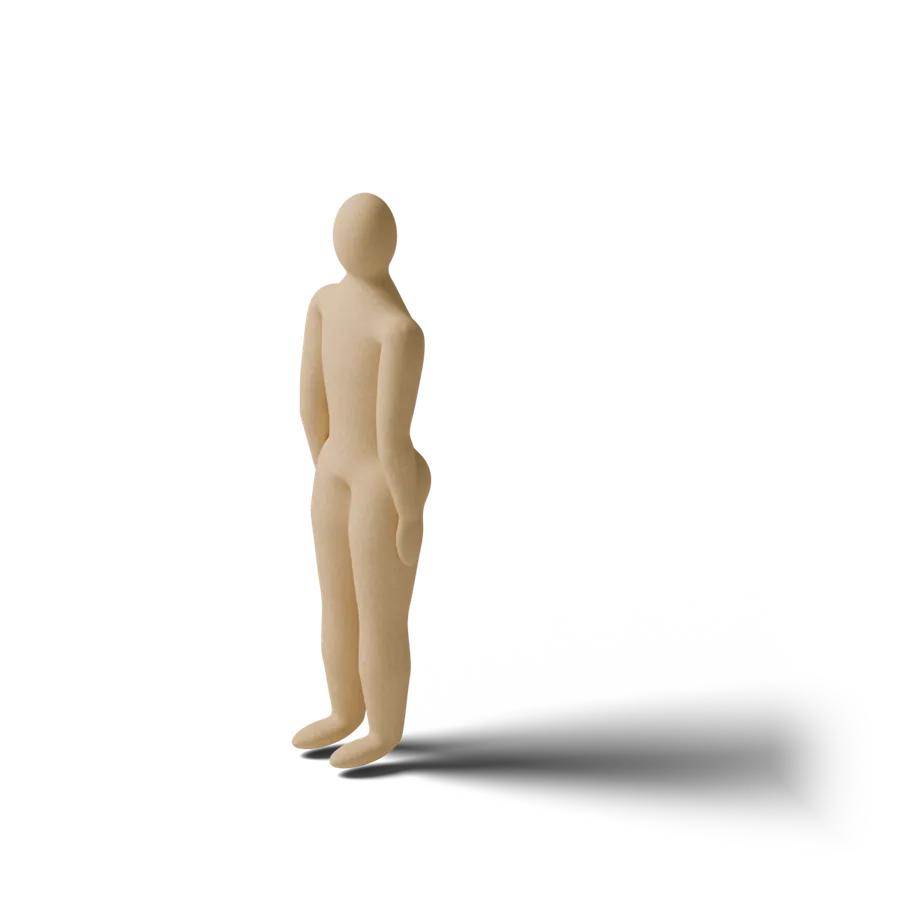
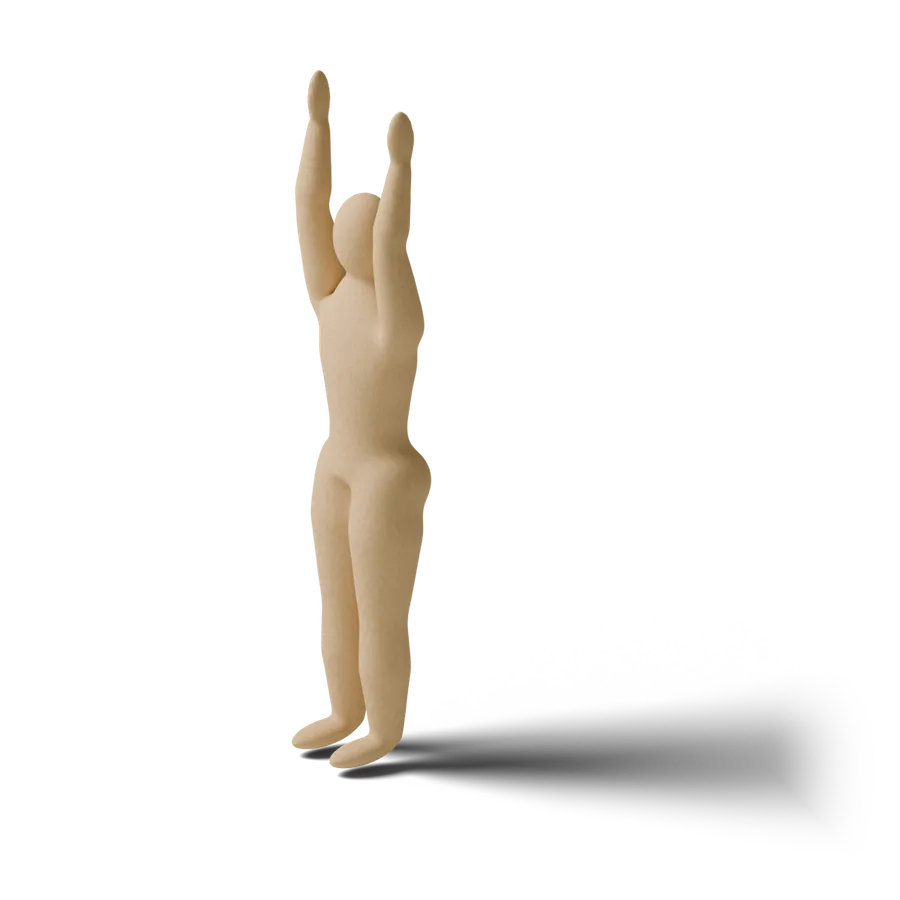
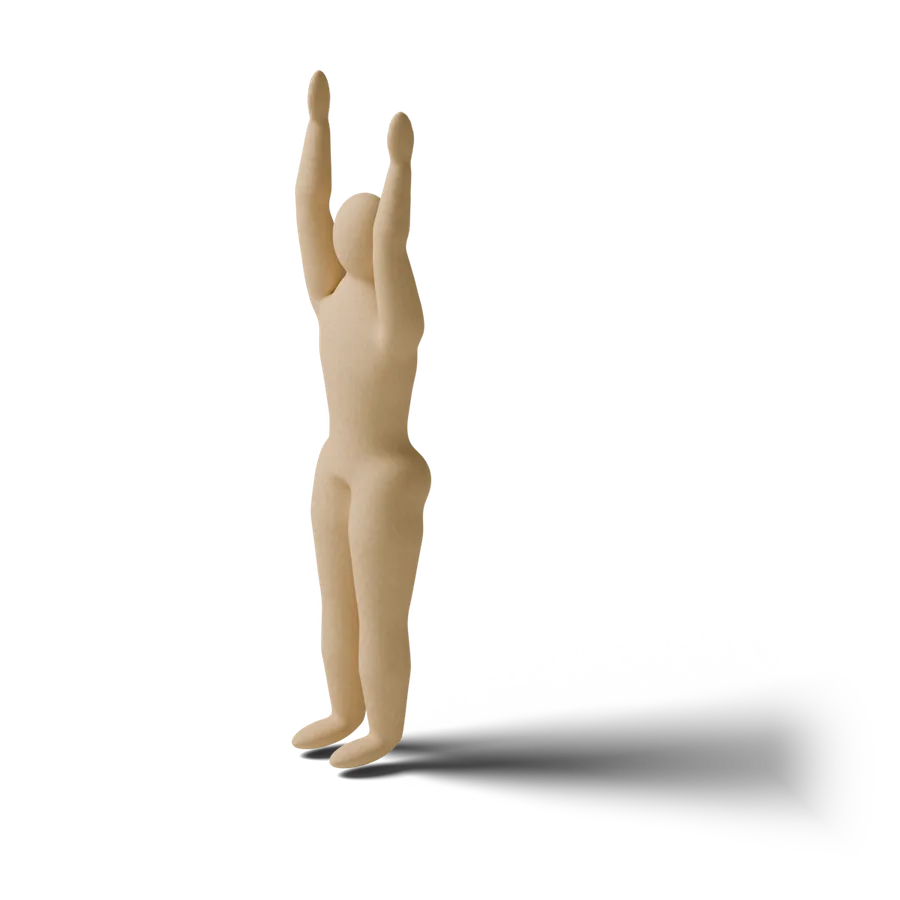
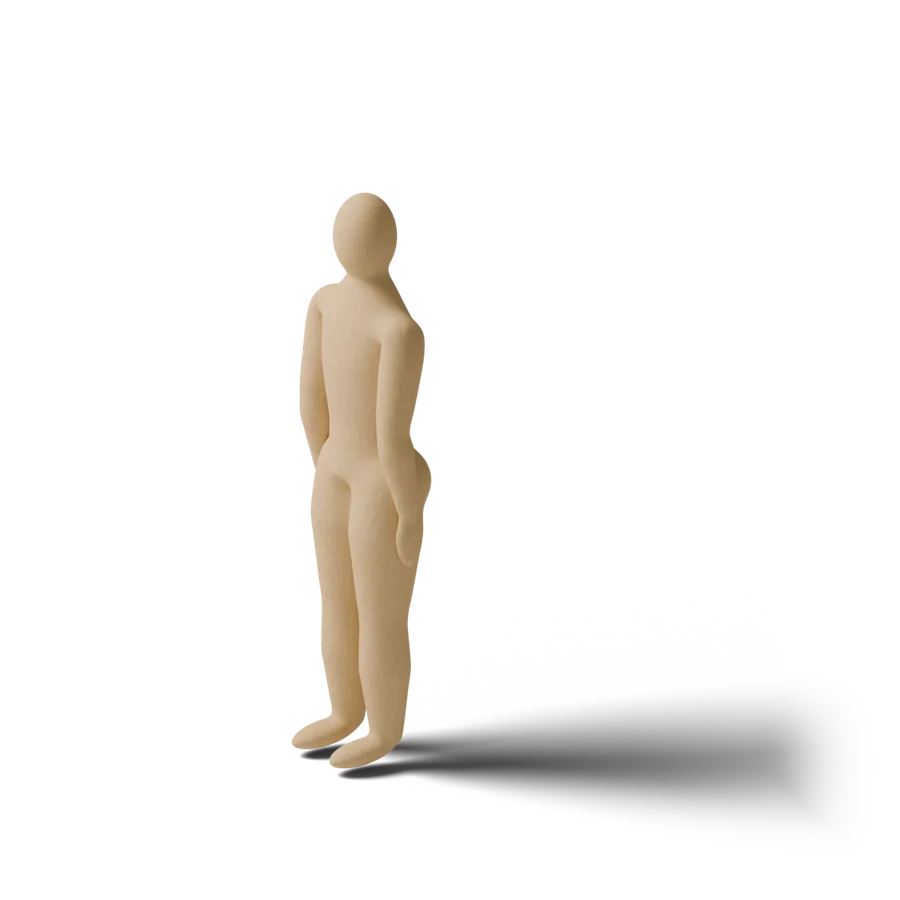
1. Mountain pose (Tadasana)
Stand with your feet hip-width apart and your weight spread evenly through both feet. Soften your knees, let your arms hang, and feel the top of your head lift. Stay for five slow breaths. Every standing pose grows from this one.
Easier: sit tall on a chair with both feet on the floor.
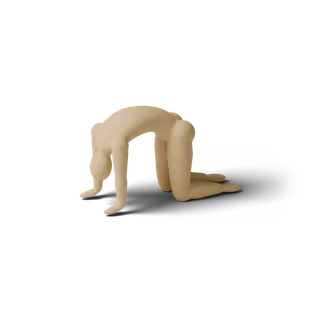
2. Cat-cow (Marjaryasana-Bitilasana)
Come onto your hands and knees, with wrists under shoulders and knees under hips. As you breathe in, let your belly sink and lift your gaze a little. As you breathe out, round your back and drop your chin. Repeat five to eight times, as slowly as your breath.
Easier: sit on a chair with your hands on your knees and make the same movement.
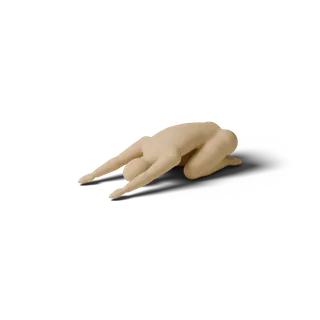
3. Child’s pose (Balasana)
Kneel with your big toes touching and your knees comfortably apart. Sit your hips back towards your heels and rest your forehead down, with your arms forward or beside you. This is your resting place in any class.
Easier: put a cushion between your hips and heels, and rest your forehead on your stacked fists.
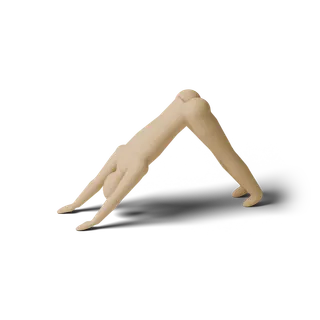
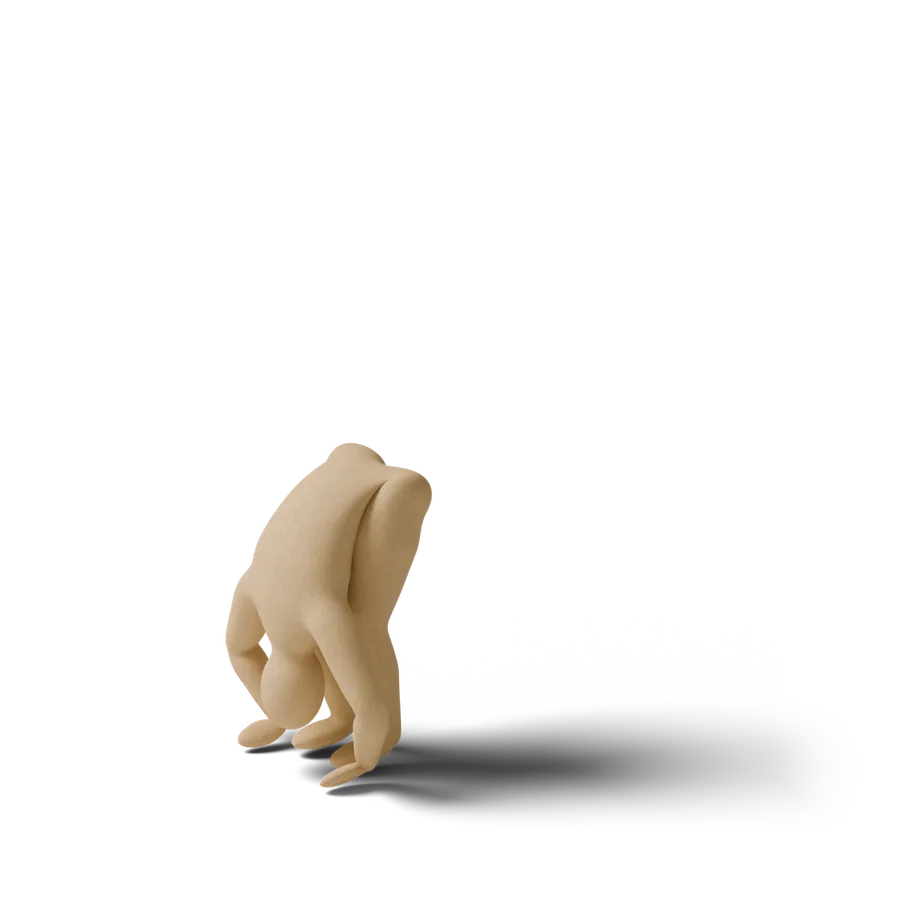
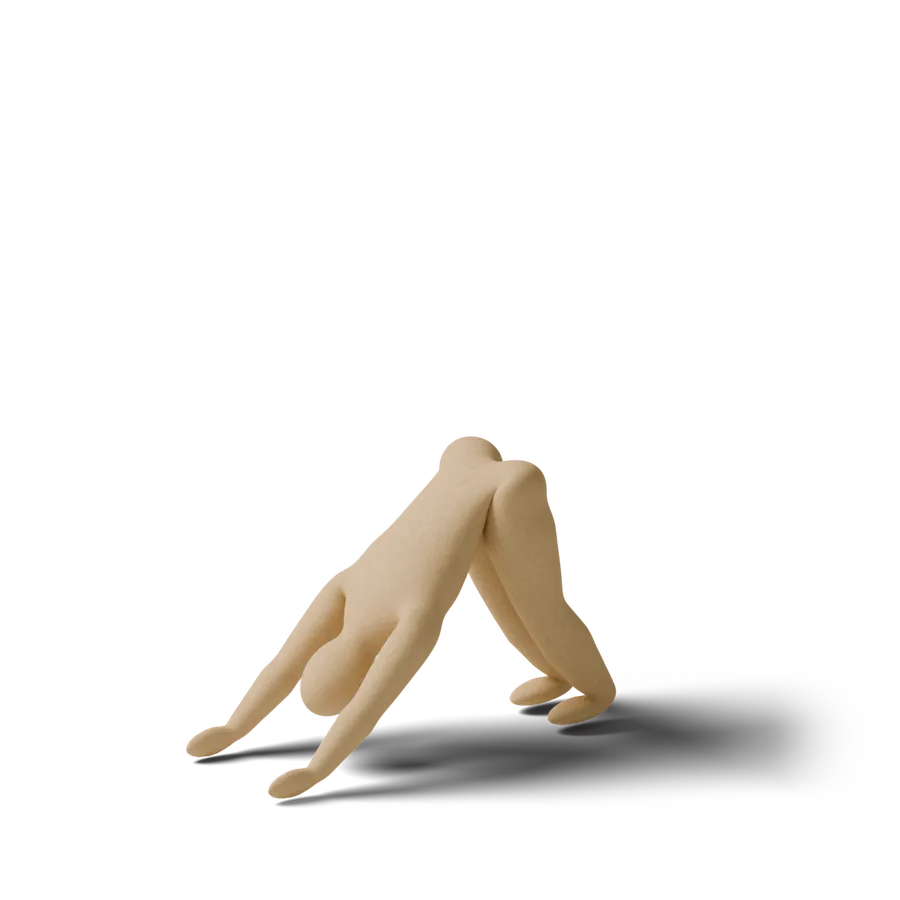
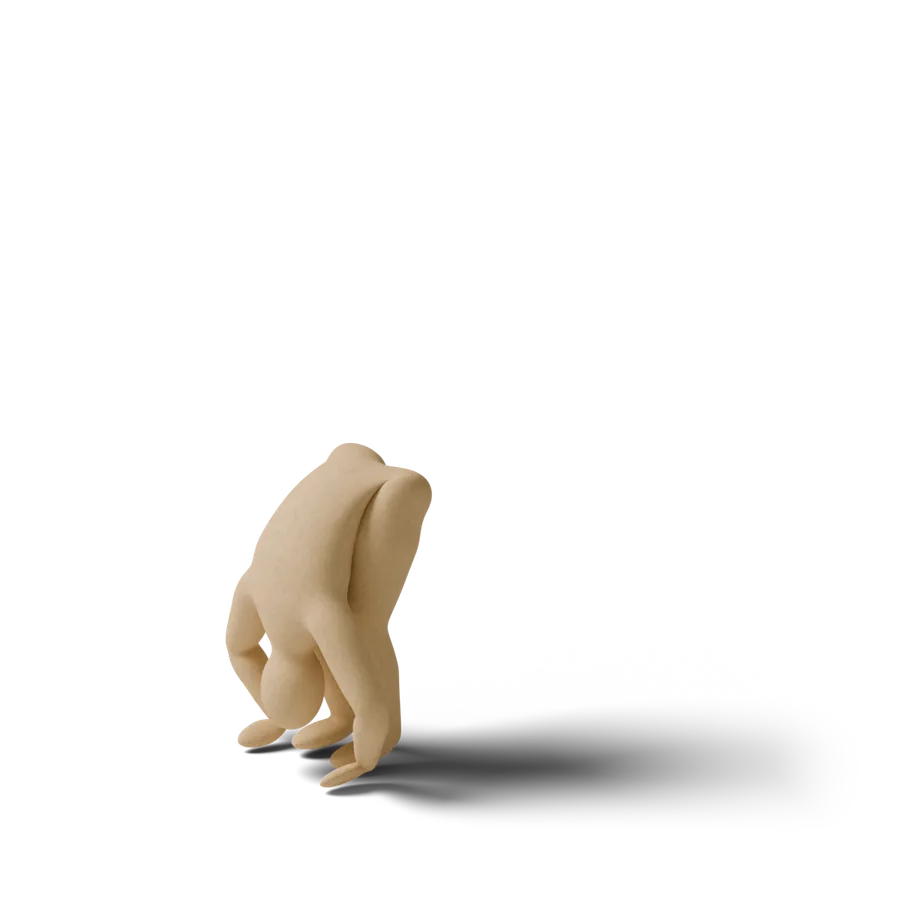
4. Downward-facing dog (Adho Mukha Svanasana)
From hands and knees, tuck your toes under and lift your hips up and back into an upside-down V. Spread your fingers and press through your whole hand. Keep your knees as bent as you need, because your heels do not have to touch the floor. Stay for three to five breaths.
Easier: place your hands on a wall at hip height and walk your feet back until your back is long.
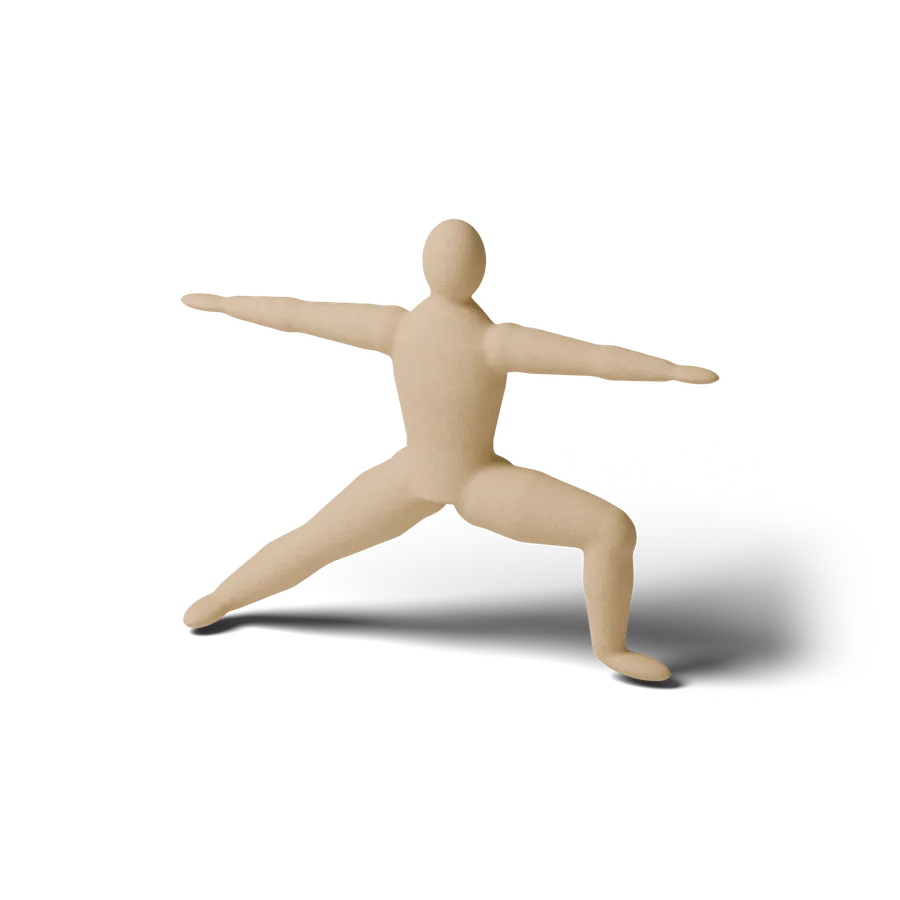
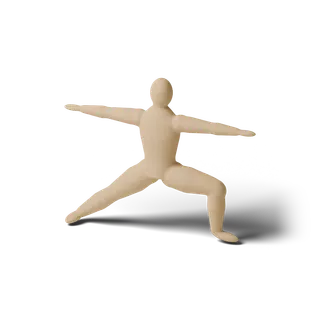
5. Warrior II (Virabhadrasana II)
Stand with your feet wide. Turn your right foot out and your left foot in slightly. Bend your right knee so that it stays above your ankle, reach your arms out at shoulder height, and look over your right hand. Stay for three to five breaths, then change sides.
Easier: shorten your stance, bend the knee less and keep your hands on your hips.
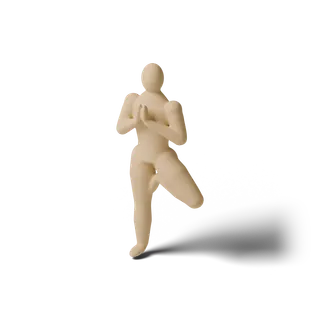
6. Tree pose (Vrikshasana)
Stand on your left foot and place your right sole on your inner ankle, calf or thigh, but never against the knee. Look at one still point in front of you. Stay for three to five breaths, then change sides. Wobbling is normal.
Easier: keep your right toes on the floor, and touch a wall with your fingertips.
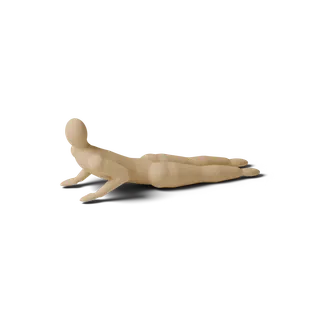
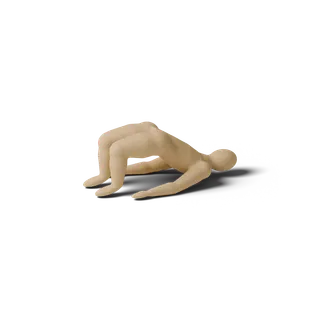
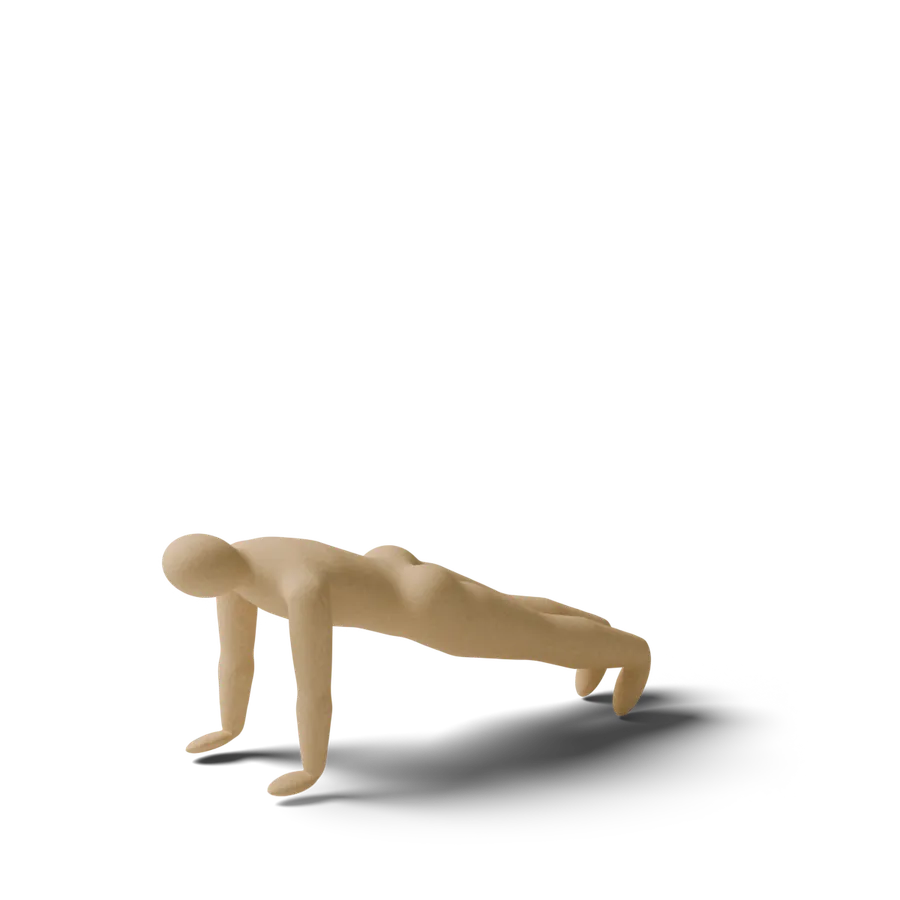
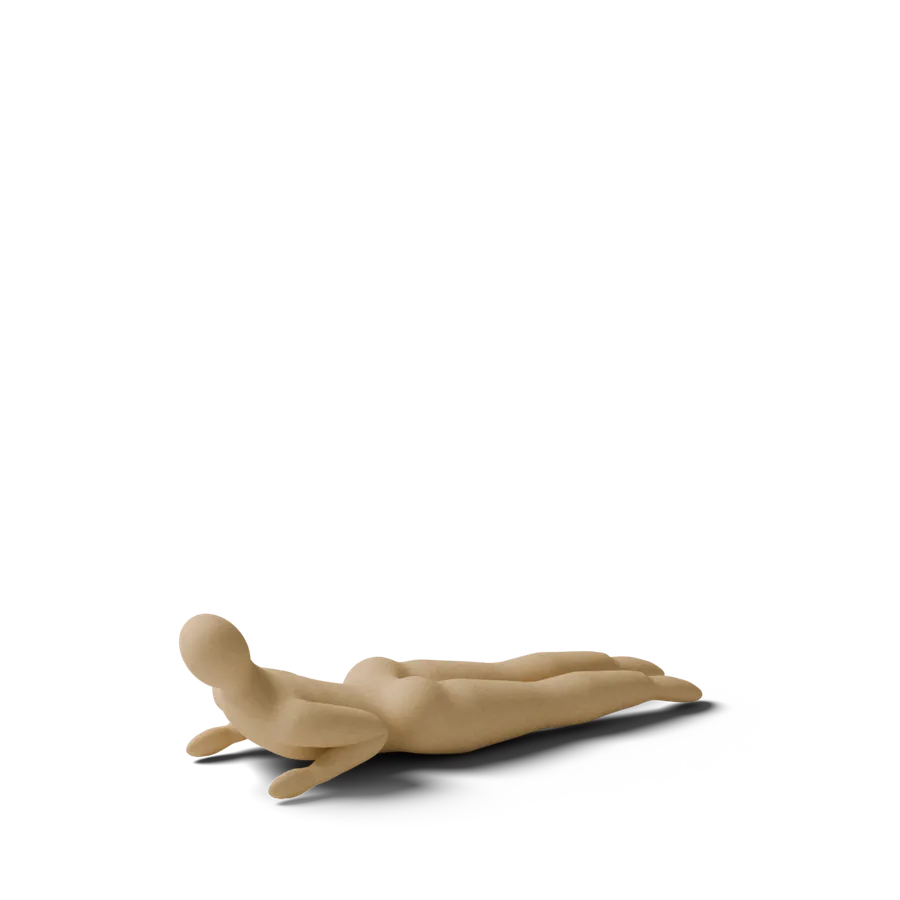
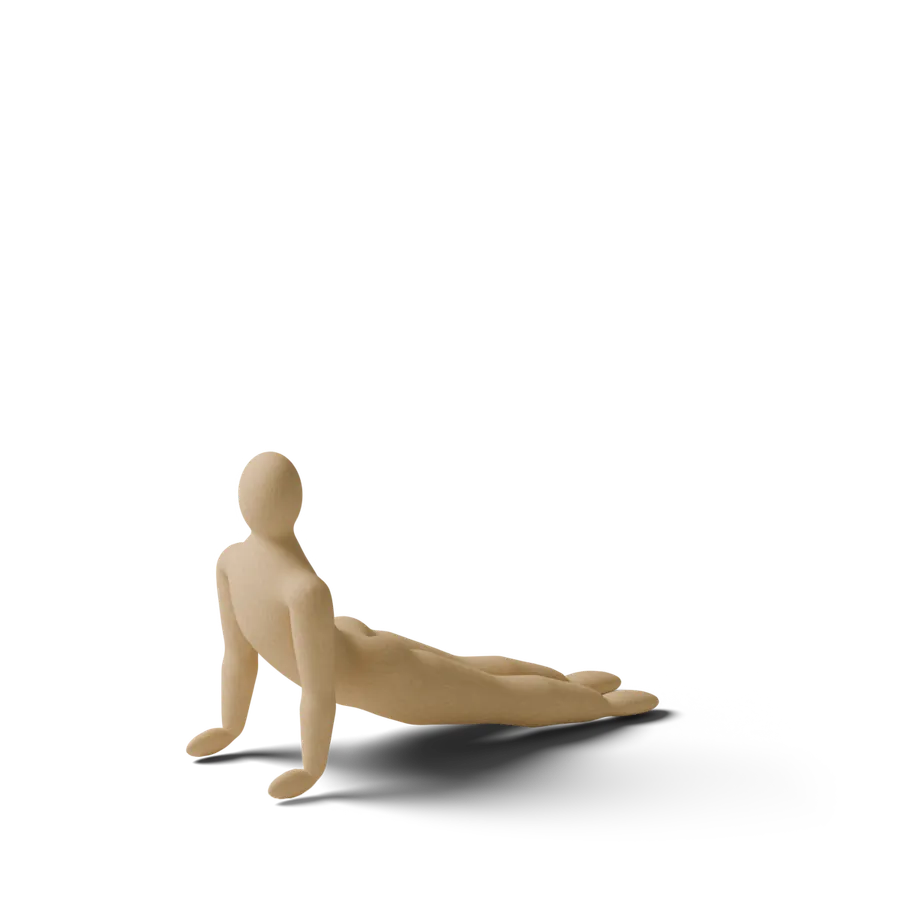
7. Low cobra (Bhujangasana)
Lie on your front with your hands under your shoulders and your elbows close to your ribs. Press the tops of your feet down, breathe in, and lift your chest a little using your back more than your arms. Keep your neck long. Stay for two or three breaths, then lower.
Easier: lift only a few centimetres, then rest your forehead on the mat.
8. Bridge pose (Setu Bandha Sarvangasana)
Lie on your back with your knees bent and your feet flat and hip-width apart. Press through your feet and lift your hips. Keep your head still and do not turn it while you are up. Stay for three to five breaths, then lower slowly.
Easier: lift your hips a little way and lower them again with each breath.
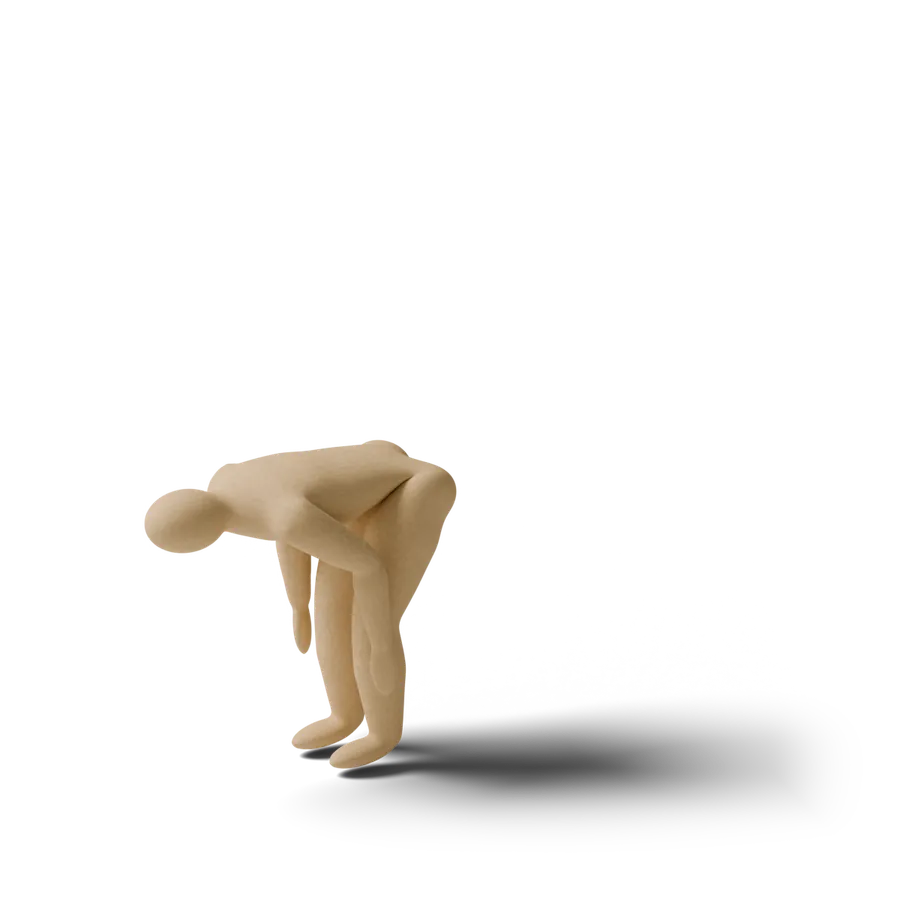
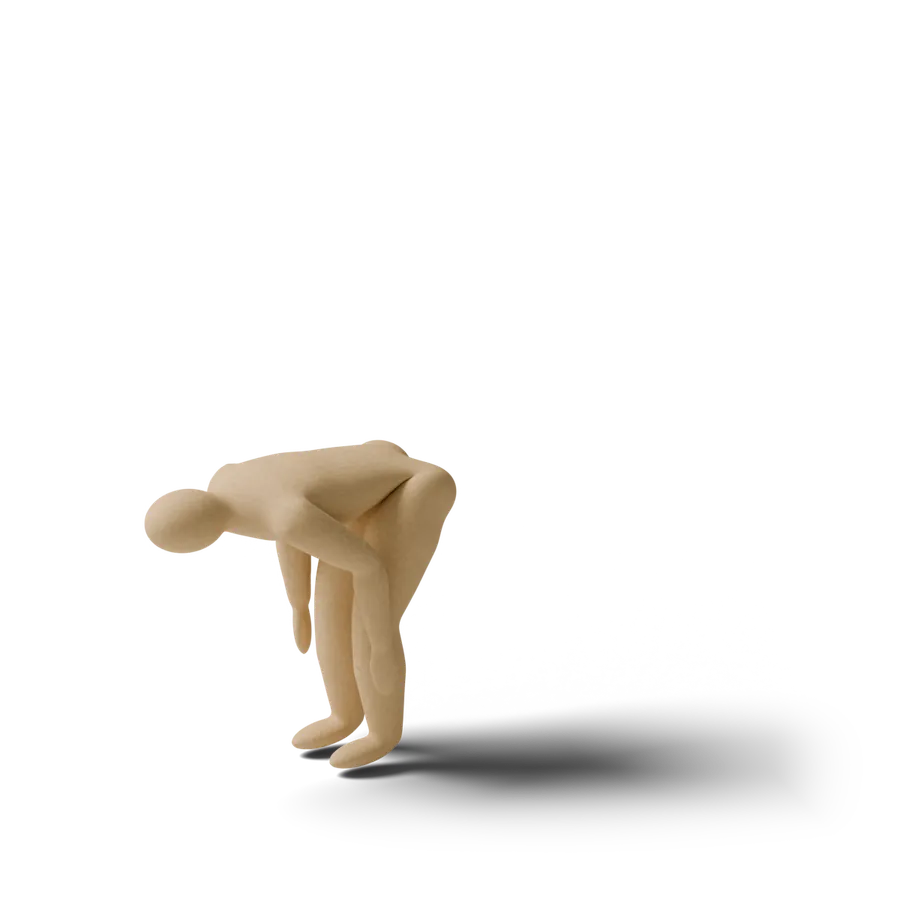
9. Seated forward bend (Paschimottanasana)
Sit with your legs out in front of you. Breathe in and sit tall, then breathe out and tip forward from your hips, walking your hands along your shins. Bend your knees as much as you like. The aim is a long back, not touching your toes. Stay for five breaths.
Easier: sit on a folded towel with a rolled blanket under your knees.
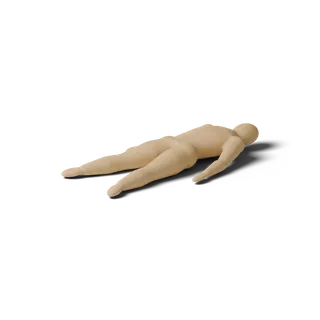
10. Corpse pose (Savasana)
Lie on your back with your legs relaxed and your arms by your sides, and let your breathing settle. Stay for three to five minutes. Nothing else is needed, and it is harder than it sounds.
Easier: put a rolled towel under your knees, or lie on your side with a cushion if lying flat feels uncomfortable.
Where can a teacher check your poses in Malta?
A book or a video cannot tell you that your knee has drifted inwards. Once you know the shapes, take them to a teacher and ask about the two or three that feel wrong.
| What you want | Where to ask | Why it helps |
|---|---|---|
| A slow class with time to explain | Feel at Harmony in Msida | Teaches hatha, the usual place to learn these poses |
| A slow class on Gozo | Yellow Rock Yoga | Hatha Flow in Sannat, with times on the class timetable |
| A small group | Lotus Room in Żebbuġ | Groups of up to ten, with a Gentle Vinyasa Flow class |
| A personal start | RaYoga Malta in Attard and Żebbuġ | Free private consultation before you join, and chair-supported options |
| A class through your gym | Cynergi in St Julian’s | A beginner-pitched hatha class included with membership |
| Extra support for your body | PowerYogaWorld | Yoga wall ropes classes for beginners, but check its location when you book |
| A gentler pace at 50 or over | Zen Yoga Studio in Mellieħa | Gentle Fusion, aimed at over-50s |
For one-to-one help, Lotus Room lists a private class at €60, Momos HotYoga Malta in Mosta lists a non-heated private session at €50, and Yellow Rock Yoga lists 75 minutes for €50. One or two sessions can be enough to correct the basics. Our comparison of classes and private lessons will help you decide.
A single group class in Malta usually costs between €10 and €25, and the middle of the market is around €13.50. See current prices, or browse all studios to find one near you. Traffic matters here, so a class you can reach easily each week will teach you more than a better one you rarely get to. Our beginners’ guide explains how to choose your first class, and if you are weighing up the alternatives, read Pilates vs yoga.
Who should take extra care with these poses?
Yoga is gentle for most people, but some poses need changing. Speak to your doctor first if you have high blood pressure, glaucoma, a heart condition or osteoporosis, because poses that put your head below your heart or round your spine may not suit you. Take care with cobra, bridge and forward bends if you have back or neck problems. If you are pregnant, follow our pregnancy yoga guide instead.
Stop if you feel sharp pain, numbness, pins and needles or dizziness. A mild stretch is fine, and so is some muscle soreness the next day.